
Overview of Grid Integration Solutions
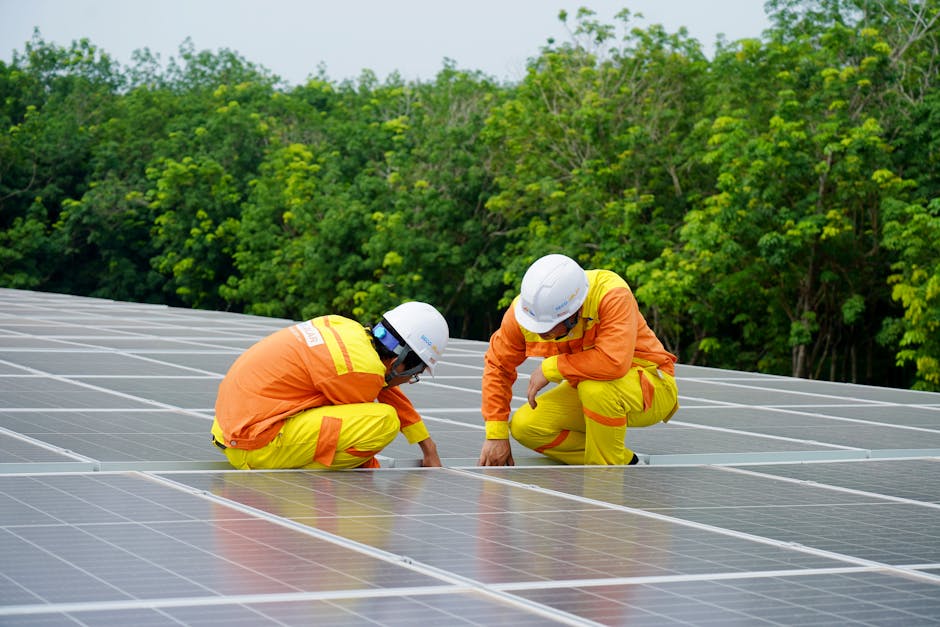
As the world increasingly shifts toward renewable energy, the need for effective grid integration solutions has become paramount. These solutions play a crucial role in enabling the seamless incorporation of renewable energy sources into existing power grids. By facilitating the connection of resources like solar energy and electric vehicle (EV) charging stations, grid integration solutions ensure a reliable, efficient, and sustainable energy supply for the future.
Overview of Grid Integration Solutions
Grid integration solutions encompass a range of technologies and strategies designed to enhance the capability of power grids to accommodate various energy sources, particularly renewables. These solutions aim to overcome challenges such as intermittent energy generation, ensure grid stability, and optimize the use of available resources. By implementing grid integration solutions, utilities can better manage energy supply and demand, reduce reliance on fossil fuels, and minimize greenhouse gas emissions, contributing to a more sustainable energy landscape.
Technologies Enabling Renewable Energy Integration
Several key technologies facilitate effective grid integration solutions. These include:
Smart Grids
Smart grids are advanced electrical systems that utilize digital communication technology to monitor and manage energy flows. They enhance grid reliability, enable real-time monitoring, and facilitate the integration of renewable energy sources. By employing smart meters and automated controls, utilities can better match energy supply with demand, improving overall grid efficiency.
Energy Storage Systems
Energy storage systems, such as batteries, play a vital role in grid integration. They store excess energy generated during peak production times and release it during periods of high demand, effectively smoothing out fluctuations in energy supply. This capability is especially important for renewable sources like solar and wind, which can be variable in their output.
Demand Response Strategies
Demand response strategies encourage consumers to adjust their energy usage in response to supply conditions. By incentivizing users to reduce or shift their energy consumption during peak times, these strategies help balance the grid and enhance the effectiveness of grid integration solutions. This can involve time-of-use pricing, where electricity costs vary depending on demand levels, prompting users to use energy during off-peak hours.
Case Studies: Successful Integration of Solar Energy and EV Charging
The application of grid integration solutions can be observed in various successful case studies. For instance, in regions where solar energy has been widely adopted, innovative strategies have been employed to integrate solar power into the grid effectively. One notable example is the deployment of community solar projects, where multiple stakeholders share the benefits of a single solar installation. These projects often involve partnerships between local governments, energy companies, and community organizations, enabling broader access to renewable energy while optimizing grid performance. In addition, the integration of EV charging infrastructure into the grid presents both challenges and opportunities. Smart charging solutions allow EVs to draw power when demand is low, utilizing renewable energy sources when available. This not only supports the growth of electric vehicles but also contributes to grid stability by managing load effectively.
Table: Key Features of Grid Integration Solutions
| Feature | Description |
|---|---|
| Flexibility | Adapts to various energy sources |
| Scalability | Supports growth of renewable energy |
| Efficiency | Optimizes energy use and distribution |
| Resilience | Enhances grid reliability and stability |
Conclusion
As the energy landscape continues to evolve, grid integration solutions will play a critical role in shaping a sustainable future. By leveraging technologies such as smart grids, energy storage systems, and demand response strategies, utilities can enhance their capacity to incorporate renewable energy sources seamlessly. The success of various case studies, particularly in solar energy and EV charging, illustrates the potential benefits of these solutions. Looking ahead, the role of policy will be essential in advancing grid integration efforts, providing the necessary framework and incentives to support the transition to a cleaner, more efficient energy system. For those interested in exploring grid integration solutions further, resources are available to help navigate this transformative landscape, ensuring a brighter energy future for all. For more information on grid integration solutions, you can visit [Wolfpack Solar Energy](https://wolfpacksolarenergy.com).